
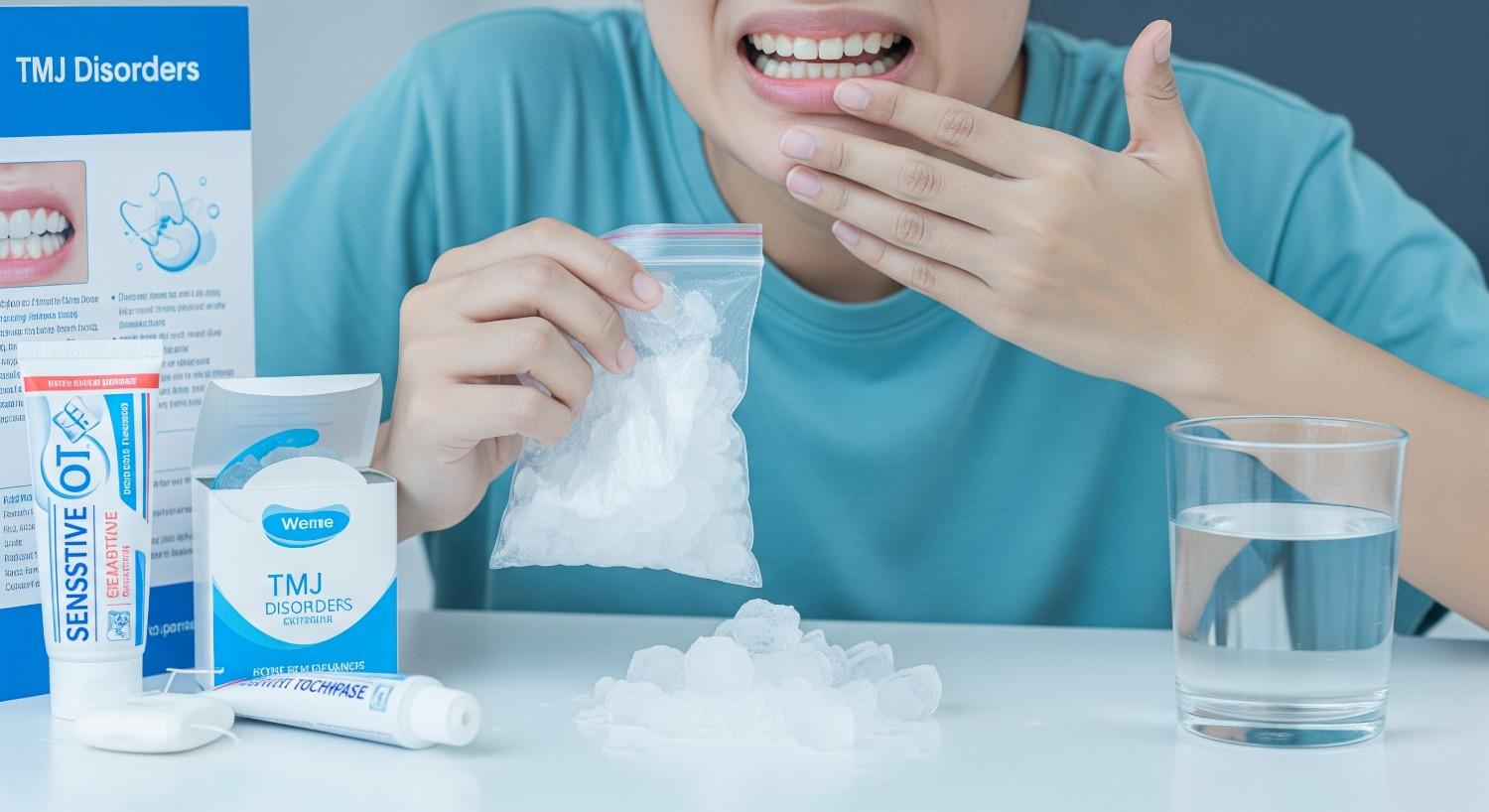
At Limegreen Dental, we know that chewing on ice can feel like a harmless habit—especially on a hot day or after finishing a refreshing drink. For some people, the satisfying crunch is almost irresistible. But here’s the truth: chewing ice is far from harmless. This small habit can cause serious and lasting damage to your teeth and gums.
If you’ve ever caught yourself mindlessly chomping on ice cubes, it’s time to understand why this is dangerous and what you can do to stop.
Why People Chew Ice
There are a few reasons why someone might develop an ice-chewing habit:
- Boredom or Nervous Energy – Chewing ice can be a subconscious way to keep your mouth busy.
- Cooling Down – It’s a quick way to cool off in hot weather.
- Texture Satisfaction – The crunch gives a sensory experience similar to eating crispy snacks.
- Possible Medical Reasons – Sometimes, frequent ice chewing can be linked to iron deficiency anemia or other nutritional issues.
If you find that you crave ice constantly, it’s worth mentioning this to your dentist or doctor to rule out underlying health concerns.
The Dental Dangers of Ice Chewing
- Tooth Fractures
Ice is hard—much harder than many people realize. When you bite down, the force can cause cracks or chips in your tooth enamel. Even small cracks can worsen over time, leading to pain, sensitivity, or the need for crowns or root canals. - Damaged Fillings and Dental Work
If you have fillings, crowns, or veneers, chewing ice can break or loosen them. This can lead to costly repairs and increased risk of decay if bacteria get into damaged areas. - Increased Tooth Sensitivity
Repeated exposure to extreme cold from ice can irritate the nerves inside your teeth, making them more sensitive to hot, cold, or sweet foods and drinks. - Gum Injury
Chewing ice can also cause small cuts or irritation to your gums, especially if the ice has sharp edges. This can increase the risk of infection.
Why This Habit Is Hard to Break
Chewing ice can be surprisingly addictive for some people. The cold and crunch stimulate the brain in a way that feels satisfying—similar to how some people feel about biting their nails or chewing gum. If the habit has been part of your daily routine for years, quitting may take some conscious effort.
Tips to Help You Quit Ice Chewing
- Identify Your Triggers
Do you chew ice when you’re bored, stressed, or just because it’s in your glass? Recognizing the situations where you’re most tempted can help you change your behavior. - Switch to Softer Alternatives
Instead of chewing hard ice cubes, try:
- Crushed ice (less damaging than large cubes)
- Chilled fruit like grapes or watermelon
- Sugar-free popsicles
- Chewing sugar-free gum to satisfy the urge to chew
- Stay Hydrated
Sometimes ice chewing is just a sign you’re thirsty. Drink plenty of water throughout the day to avoid reaching for ice cubes. - Address Underlying Deficiencies
If you suspect your ice-chewing habit might be linked to anemia or another health condition, consult your doctor for a blood test. Treating the root cause can often stop the cravings. - Practice Mindful Eating
Pay attention to your actions when you’re eating or drinking. If you notice yourself about to chew ice, pause and remind yourself why you’re quitting.
How Limegreen Dental Can Help
If you’ve been chewing ice regularly, it’s a good idea to have your teeth checked for damage. At Limegreen Dental, we can:
- Examine for micro-cracks, chips, and worn enamel
- Repair any damage before it worsens
- Provide strategies and support to help you break the habit
- Recommend protective treatments like dental sealants or night guards if needed
We understand that habits take time to break, but your teeth will thank you for making the effort.
The Bottom Line
Chewing ice might feel harmless, but over time, it can cause cracks, chips, sensitivity, and damage to dental work. Quitting now will save you from costly repairs and discomfort later.
At Limegreen Dental, we’re here to keep your smile healthy and strong. If you’ve noticed tooth pain, increased sensitivity, or visible cracks, don’t wait—schedule your appointment today. We’ll help repair the damage and guide you toward better, tooth-friendly habits.