Teeth whitening changes the colour of natural tooth enamel. It does not change the colour of dental restorations such as crowns, tooth-coloured fillings, veneers or bonding. That difference can matter when a restoration is visible near the front of your smile.
If you are considering whitening and already have dental work, planning the order of treatment can help set realistic expectations. Limegreen Dental lists teeth whitening among its services. The dentists at Limegreen Dental are general practitioners.
Why crowns and fillings do not whiten
Whitening products work by acting on colour compounds within natural enamel and dentin. A crown, veneer, filling or bonded area is made from restorative material rather than natural tooth structure, so it does not respond in the same way.
This means that a crown may remain its original shade while the neighbouring natural teeth become lighter. The same can happen with tooth-coloured fillings, veneers and composite bonding. The contrast may be subtle or more noticeable, depending on the starting shade, the amount of whitening and where the restoration sits in the smile.
Learn more about Teeth whitening in Hamilton at Limegreen Dental.
Why a colour mismatch can happen
Many restorations are colour-matched to the surrounding teeth at the time they are placed. If the natural teeth are whitened later, that original match may no longer blend as closely.
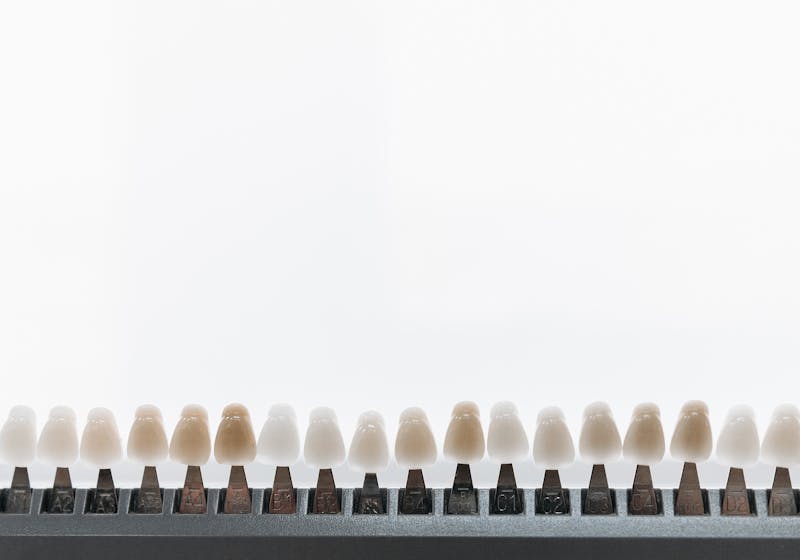
A mismatch is often most noticeable on front teeth, where light reflects differently across the smile. It can also be difficult to judge a tooth’s colour from memory or under different lighting. For that reason, it is useful to discuss existing visible dental work before starting whitening.
The order of treatment can make a difference
When someone expects to need a new visible crown, veneer, filling or bonding, whitening natural teeth first may be worth discussing. Once the desired natural tooth shade has stabilized, a dentist can use that shade as a reference when planning a new restoration. Whether that sequence is appropriate depends on the condition of the tooth and the individual treatment plan.
If an existing restoration is otherwise functioning well but no longer matches after whitening, replacing it solely for colour is a decision to consider carefully with a dentist. Factors can include the restoration’s condition, location, the difference in shade and the amount of natural tooth structure involved.
Whitening is not right for every colour change
Teeth can appear darker for several reasons, including surface staining, natural shade variation, ageing changes and certain internal tooth changes. Whitening may not affect every type of discolouration equally, and restorations will not lighten with whitening products.
Whitening can also cause temporary tooth sensitivity or gum irritation for some people. A dental assessment can help identify concerns such as decay, leaking restorations, gum irritation or tooth sensitivity that may need attention before whitening is considered.
Questions to ask before whitening
Before choosing a whitening approach, ask which teeth are natural and which have crowns, fillings, veneers or bonding. It is also reasonable to ask how much of a shade difference may be visible, whether a restoration is likely to remain a close match and what alternatives may be appropriate for your circumstances.
For Hamilton patients who are exploring whitening, a conversation about existing dental work can make the goal clearer: brighten natural teeth where suitable, while understanding that restorations may need separate consideration. More information about available whitening services is on Limegreen Dental’s teeth whitening page.
Key takeaways
- Teeth whitening can lighten natural tooth enamel, but it does not lighten crowns, fillings, veneers or composite bonding.
- A restoration that originally matched your teeth may look darker after the surrounding natural teeth are whitened.
- If new visible dental work is planned, discussing whitening first may help with shade planning when clinically appropriate.
- A dental assessment can help determine whether whitening is suitable and identify factors that could affect comfort or results.
Related reading
- Dental Sealants for Children: What Parents Should Know
- Do Wisdom Teeth Need to Be Removed? What to Know Before Deciding
Have questions about what applies to you?
A dental examination can help determine which options and timing are appropriate for your individual oral health needs.
Book an Appointment