
Lingering pain
A deep ache, or pain that lingers after eating or drinking something hot or cold, can signal that the pulp is inflamed.
A root canal has a reputation it does not deserve. At Limegreen Dental on Hamilton Mountain, it is a comfortable treatment that takes away tooth pain and lets you keep your natural tooth instead of losing it.
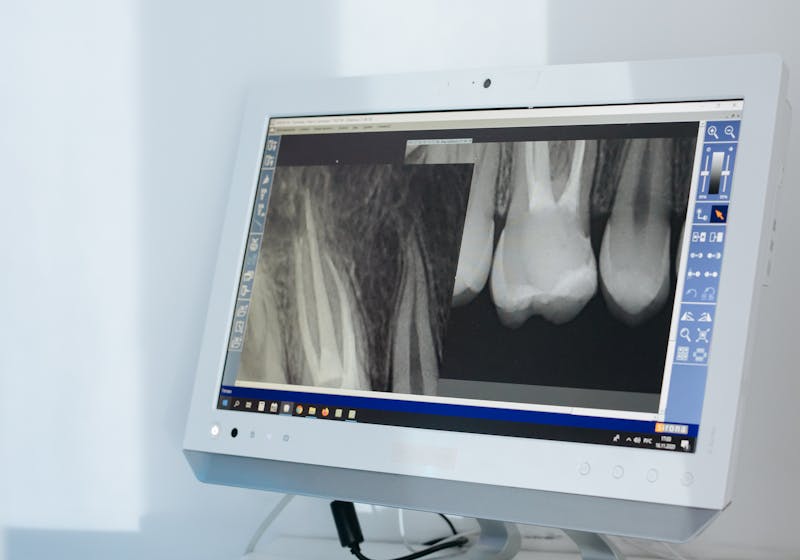
Inside every tooth is a soft centre called the pulp, made of nerves and blood vessels. When deep decay, a crack or an injury lets bacteria reach the pulp, it becomes inflamed or infected. That is what causes the throbbing ache and sensitivity people dread. A root canal removes the damaged pulp, cleans and disinfects the inside of the tooth, then seals it so the infection cannot return.
The key thing to understand is that a root canal saves a tooth that would otherwise need to come out. Once the infected tissue is gone, the tooth stays in place and keeps doing its job. This part of dentistry is sometimes called endodontics, and it is one of the most effective ways to keep your own tooth rather than replacing it.
Toothaches do not always mean a root canal, but some symptoms point that way. If you notice any of these, it is worth getting the tooth checked.
A deep ache, or pain that lingers after eating or drinking something hot or cold, can signal that the pulp is inflamed.
A tooth that hurts when you bite down, or feels tender to touch, may have infection spreading toward the root.
A pimple-like bump on the gum, swelling, or a darkening tooth are signs of infection that should be seen soon.
Sometimes a tooth that needs a root canal causes no pain at all, and we spot it on a digital x-ray during a routine check-up. If a tooth is causing severe pain or swelling right now, that counts as an emergency and you should call us the same day.
The dread around root canals comes from a time before modern anaesthetics and techniques. Today the experience is closer to having a large filling. We numb the tooth thoroughly so you do not feel the treatment, and the procedure itself takes away the pain of the infection. Many patients tell us afterward that they wish they had come in sooner. If you feel anxious about dental work, let us know. Dr. Rania and our team are known for gentle, unhurried care, and we will explain each step before we do it.
Many root canals are finished in a single appointment at our Limeridge Road West clinic. Here is how it usually goes.
We examine the tooth, take a digital x-ray and confirm whether a root canal is the right treatment. You will know the plan before we start.
We freeze the tooth and surrounding area so you are comfortable, then isolate the tooth to keep it clean during treatment.
We remove the infected pulp, then clean and disinfect the narrow canals inside the root so no bacteria are left behind.
We fill and seal the canals, then place a filling. In most cases a crown is added soon after to protect the tooth for the long term.
A tooth that has had a root canal loses its internal blood supply and becomes more brittle, especially a molar that takes the force of chewing. To stop it from cracking, we usually protect it with a dental crown. The crown covers the tooth completely and lets it work normally again. We will tell you whether your tooth needs a crown and build it into your treatment plan so there are no surprises.
We always try to save your natural tooth first. If a tooth is cracked too deeply or the infection is too advanced, a gentle extraction may be the better path, followed by a replacement option. We will be honest with you about which choice protects your smile best.
Once the freezing wears off, the treated tooth may feel a little tender for a few days, which usually settles with over-the-counter pain relief. Try to chew on the other side until any crown is in place. Keep up your normal brushing and flossing, and come back for your follow-up so we can check the tooth is healing well. With a crown on top and good daily care, a tooth that has had a root canal can last for many years.
We bill most insurance plans directly, accept the Canadian Dental Care Plan for eligible services, and check and explain your coverage before treatment so you know what your plan includes up front.
Tooth pain rarely gets better on its own, and acting early often means a simpler treatment. We see root canal patients from across the Mountain, Ancaster, Dundas and Stoney Creek, with free parking off Upper James. Book an exam or call our team. New to the practice? Our new patient page walks you through your first visit.
Good to know
Still wondering about something? Call (905) 383-7979 or request an appointment.
Modern root canals are not the ordeal people imagine. The tooth is fully numbed, so the treatment itself feels much like having a filling. Most of the pain people associate with root canals is actually the infection beforehand, and the treatment is what relieves it. We take time to keep you comfortable from start to finish.
Common signs include lingering sensitivity to hot or cold, pain when you bite, a deep ache, a pimple-like bump on the gum, or swelling and tenderness near a tooth. Sometimes there are no symptoms at all and we find it on an x-ray. If a tooth is bothering you, book an exam so we can check it.
After a root canal the tooth becomes more brittle and is prone to fracturing, especially a back tooth used for chewing. A crown covers and protects the tooth so it can keep working for years. We will tell you whether your tooth needs a crown and plan it as part of your treatment.
Many root canals are completed in one appointment of about sixty to ninety minutes, though some teeth need two visits. The exact time depends on the tooth and how many canals it has. We will give you a clear idea of the timeline before we begin.
Keeping your natural tooth is almost always the better choice when it can be saved. A root canal lets you keep your own tooth, which protects your bite and the neighbouring teeth. If a tooth truly cannot be saved, we will explain why and talk through replacement options such as an implant.
Many insurance plans cover root canal therapy, and the Canadian Dental Care Plan covers specific eligible services. We bill most plans directly and check and explain your coverage before treatment so you know what your plan includes.